

Experiencing a flood in your residential property can be an overwhelming ordeal for any property owner. When water enters your living spaces, it immediately begins a destructive journey through your building assemblies. Understanding how a flood impacts your property is the first critical step in effective flood recovery, helping you manage water damage restoration and navigate insurance claims while protecting your indoor air quality.
Understanding Water Damage in Flooded Homes
Water damage from a flooded home extends far beyond what meets the eye during initial cleanup efforts. Standing water rapidly infiltrates porous materials, creating an environment where mold problems can flourish if not addressed promptly. Homeowners must recognize that lingering dampness and hidden moisture pose significant risks to both structural integrity and health, making thorough drying equipment deployment essential to prevent further damage and subsequent mold growth.
How Flooding Affects Different Building Materials
Different building materials absorb water at varying rates, complicating the task of drying your property effectively. Drywall acts like a sponge, drawing moisture upward, while wooden structures swell and warp under prolonged water exposure. Carpets and rugs trap contaminants from floodwaters, often requiring specialized detergent or complete disposal depending on the extent of the damage and whether sewage was involved.
Visible Water Damage vs. Hidden Moisture
Property owners often focus solely on visible water stains and pooling water, neglecting the insidious nature of hidden moisture trapped inside wall cavities and beneath flooring. While visible mold and damp baseboards are obvious signs of water damage, moisture can remain trapped out of sight, feeding mold spores and threatening indoor air quality without immediate visual cues.
Common Areas for Moisture Accumulation
Moisture frequently accumulates in secluded zones such as crawlspaces, behind kitchen cabinetry, and within insulated wall assemblies after a flood event. These vulnerable pockets retain water long after surface areas appear dry, harboring mold contamination and compromising structural components unless professionals utilize advanced detection tools to locate every affected zone.
Identifying the Source of Moisture Migration
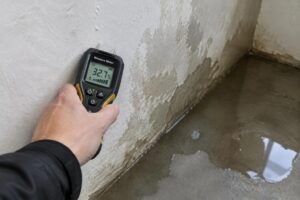
Pinpointing the exact source of the water and tracking how it moves through your flooded home is essential for effective flood recovery. A homeowner must trace moisture migration pathways to prevent further damage and address hidden mold before it compromises indoor air quality and structural integrity.
Assessing Drywall and Insulation
Drywall quickly absorbs moisture after water damage in your home, often swelling and losing structural integrity as water spreads upward. Insulation packs retain water for days, creating a hidden health hazard and severe contamination that requires careful inspection and prompt removal.
Evaluating Flooring and Carpets
Flooring materials like hardwood and subfloors trap standing water beneath the surface, while soaked carpets and rugs harbor bacteria and mold spores. A homeowner must decide whether these materials are salvageable or if they need to dispose of them entirely during cleanup.
Inspecting Wooden Structures and Wall Cavities
Wooden framing members absorb prolonged water exposure, leading to warping and long-term structural weakness inside enclosed wall cavities. Professionals use specialized moisture meters to evaluate these hidden areas, ensuring that no dampness remains trapped where mold problems can develop.
Signs of Mold Growth Following a Flood
Recognizing the early indicators of mold after water damage is crucial for protecting your respiratory health and preventing costly structural repairs. Mold can colonize damp surfaces very quickly, turning a manageable water damage restoration project into a major remediation challenge if ignored.
Common Warning Signs of Mold Problems
Persistent musty odors, visible mold colonies on baseboards, and unexplained allergy symptoms are common signs of water damage and hidden mold. When a homeowner notices these warning signs, it usually indicates:
- Extensive mold contamination behind walls
- Contamination beneath flooring assemblies
Why Mold May Be Growing After Water Removal
Even after extracting standing water, high relative humidity and trapped moisture in building cavities provide an ideal environment for mold spores to germinate. Without industrial drying equipment and a heavy-duty dehumidifier running continuously, mold growth can explode within 24 hours.
Preventing Further Damage and Mold Growth
To successfully prevent mold and ensure your home remains safe, property owners should contact a professional restoration company for expert guidance. When you need reliable help, you can contact CallRescueHero to manage the entire restoration process, providing thorough mitigation and protecting your property from long-term harm.
Step-by-Step Guide to Assessing Moisture Levels
Evaluating a flooded home requires a careful, step-by-step approach to uncover hidden water damage and protect the property. A homeowner must methodically assess every impacted room, checking whether materials like drywall and flooring are salvageable or if they need to dispose of them to prevent further damage and subsequent mold growth during the flood recovery process.
Visual Inspections for Water Damage
During initial visual inspections, a property owner should look for various visible signs of water damage, which often point to deeper issues and help the homeowner understand the extent of the damage before embarking on comprehensive water damage restoration efforts. These include:
- Warped baseboard sections
- Peeling paint
- Water stains on walls and flooring
Using Moisture Detection Equipment
Professionals rely on specialized moisture meters and thermal imaging cameras to locate hidden dampness behind walls and beneath flooring without causing unnecessary destruction. This advanced drying equipment allows restoration experts to map out moisture migration accurately and ensure every affected area is thoroughly addressed to stop mold problems.
Determining the Extent of the Damage
Accurately determining the extent of the damage involves measuring moisture saturation levels in wooden structures, insulation, and concrete slabs. By identifying how far water has traveled, a homeowner and restoration team can create an effective drying plan that safeguards indoor air quality and prevents secondary mold contamination.
Importance of Professional Flood Recovery Assistance
Navigating the aftermath of a major flood is complex, making professional flood recovery assistance invaluable for property owners seeking a safe and thorough restoration. Experts bring specialized drying equipment and extensive knowledge to handle severe water damage restoration, ensuring your home is properly dried and safe for habitation.
When to Call for Help
Property owners should seek professional assistance immediately if standing water persists, sewage is involved, or mold growth begins to appear on walls and flooring. When facing overwhelming water damage, Get in touch with CallRescueHero to manage the entire mitigation process, safeguarding your health and property.
How Professionals Mitigate Moisture Damage
Professionals mitigate moisture damage and sanitize affected building materials by deploying specific equipment and treatments. This systematic approach ensures that hidden moisture in wall cavities and subfloors is completely eliminated, stopping mold spores from spreading and protecting your indoor air quality.
- Industrial dehumidifiers
- High-velocity air movers
- Specialized antimicrobial treatments
Preparing for Repairs and Insurance Claims
Proper documentation of all damaged materials and professional assessment reports are essential when filing insurance claims and preparing for reconstruction. Working closely with restoration experts helps homeowners streamline the insurance process and ensures that repairs begin only after the structure is completely dry and safe.


