

Critical Signs You Need Immediate Emergency AC Repair
When your heat pump, serving as your primary cooling system in Phoenix, begins to falter, it often gives clear warnings. Ignoring these signs can lead to more extensive damage and higher repair costs. Recognizing these critical indicators early is key to addressing issues promptly and maintaining an affordable heat pump repair outcome.
Common signs that your heat pump needs immediate attention include:
- Warm Air: The most obvious sign, indicating your system isn’t cooling effectively.
- Complete Shutdown: Your heat pump simply stops working altogether.
- Loud, Unusual Noises: Grinding, banging, or screeching sounds from the unit.
- Refrigerant Leaks: Visible ice buildup on coils or hissing sounds.
- Water Pooling: Puddles around your indoor or outdoor unit.
- Burning Odors: A distinct smell of burning plastic or electrical components.
Understanding the underlying causes of these symptoms can help you communicate effectively with repair technicians.
Severe Refrigerant Leaks and Frozen Evaporator Coils
Refrigerant is the lifeblood of your heat pump’s cooling cycle. If you notice hissing sounds coming from your unit, it could indicate a refrigerant leak. This leak not only reduces cooling efficiency but can also lead to more serious problems. A common consequence of low refrigerant is the formation of ice buildup on your evaporator coils, often referred to as frozen coils. This happens because the reduced refrigerant pressure causes the coil temperature to drop below freezing.
When coils freeze, your heat pump struggles to absorb heat from your home, leading to significantly reduced cooling or no cooling at all. You might also detect chemical odors if the leak is substantial. A frozen coil puts immense compressor strain, which can ultimately lead to compressor failure—one of the most expensive repairs for a heat pump. Addressing refrigerant leaks and frozen coils immediately is crucial to prevent further damage and ensure the longevity of your system.
Electrical Failures and Burning Odors
Electrical problems are among the most serious and potentially dangerous issues your heat pump can face. If you experience tripped breakers frequently when your heat pump tries to start, it’s a strong indication of an electrical fault or an overworked motor. A distinct ozone smell or the scent of scorched wiring emanating from your unit is a red flag, signaling potential electrical burning and a serious fire hazard. You might also hear buzzing relays or other unusual electrical sounds.
These issues can stem from frayed wires, faulty capacitors, or overworked motors, all of which can lead to component burnout. Ignoring these electrical warnings not only risks complete system failure but also poses significant safety risks to your home and its occupants. Professional intervention is critical to diagnose and safely repair electrical faults, ensuring your heat pump operates without danger.
Immediate Steps to Protect Your Home and Cooling System
When your heat pump breaks down during a Phoenix summer, acting quickly can mitigate discomfort and prevent further damage. While waiting for professional help, there are several immediate steps you can take to protect your home and yourself.
First and foremost, if you suspect an electrical issue or smell burning, immediately power shutoff your heat pump at the thermostat and the circuit breaker. This prevents further damage to the unit and eliminates potential fire hazards, prioritizing indoor safety.
Next, focus on reducing the heat inside your home. Close curtains and blinds on sun-facing windows to block direct sunlight. Minimize the use of heat-generating appliances like ovens and dryers. You can also open windows and doors during the cooler parts of the day (early morning or late evening) to create cross ventilation, helping to air out the house.
Staying hydrated is paramount in Phoenix’s extreme temperatures. Ensure all occupants, especially children, the elderly, and those with health conditions, are drinking plenty of water. Be aware of the signs of heat exhaustion and heatstroke. If necessary, consider moving to a cooler location, such as a public library or a shopping mall, until your heat pump is repaired.
Troubleshooting Steps Before Calling for Emergency AC Repair
Before reaching out for professional help, a few simple checks can sometimes resolve minor issues or provide valuable information to your technician. These steps can potentially save you a diagnostic call or at least speed up the repair process.
Start by checking your thermostat settings. Ensure it’s set to “cool” and the temperature is lower than the current indoor temperature. Sometimes, a simple setting adjustment is all that’s needed. Next, inspect your home’s electrical panel for any tripped breakers related to your heat pump. Resetting a tripped breaker can often restore power.
A common culprit for reduced airflow and efficiency is a dirty filter. Check your air filter and replace it if it’s clogged. A severely dirty filter restricts airflow, forcing your heat pump to work harder. Also, verify that the outdoor unit’s power disconnect switch (usually located near the unit) hasn’t been accidentally turned off. Finally, inspect the condensate pan and drain line for any blockages or overflows. A clogged drain line can trigger a safety switch, shutting down your system. If these basic troubleshooting steps don’t resolve the issue, it’s time to call in the experts.
Managing Indoor Temperatures During a Cooling Outage
While you await professional heat pump repair, managing your indoor environment becomes crucial, especially in Phoenix’s scorching heat. Your primary goal is heat reduction.
- Curtain closure: Keep all blinds, shades, and curtains closed, particularly on windows facing the sun. This significantly reduces solar heat gain.
- Portable fans: Position portable fans strategically to create airflow and a wind-chill effect. Direct them towards occupants rather than trying to cool entire rooms.
- Minimize heat sources: Avoid using appliances that generate heat, such as ovens, dishwashers, and clothes dryers. Opt for cooler meals and air-dry laundry if possible.
- Hydration: Continuously drink water and other non-alcoholic, non-caffeinated beverages to stay hydrated.
- Vulnerable occupants: Pay special attention to vulnerable individuals, such as infants, the elderly, and those with chronic health conditions, as they are more susceptible to heat-related illnesses. If the indoor temperature becomes dangerously high, consider relocating them to a cooler environment temporarily.
- Cool showers/baths: Taking cool showers or baths can provide temporary relief from the heat.
These measures, while not a substitute for a functioning heat pump, can significantly improve comfort and safety during an unexpected cooling outage.
What to Expect During a Professional Service Visit
When you call for emergency heat pump repair in Phoenix, you can expect a structured and professional approach from reputable HVAC contractors. The process typically begins with a thorough diagnostic testing phase. A skilled technician will arrive at your home equipped with specialized tools to pinpoint the exact cause of your heat pump’s malfunction.
During this initial technician evaluation, they will perform a multi-point inspection of your entire system, checking components like the compressor, coils, fan motors, electrical connections, refrigerant levels, and thermostat. This comprehensive assessment ensures that all potential issues are identified, not just the most obvious symptom.
After the diagnosis, the technician will explain their findings clearly and provide you with upfront pricing for the necessary repairs. This transparency allows you to understand the scope of work and the associated costs before any repairs begin. They will also conduct essential safety checks to ensure that once repaired, your heat pump operates safely and efficiently, giving you peace of mind.
How to Prepare for Emergency AC Repair Services
To ensure a smooth and efficient repair visit, a little preparation on your part can go a long way.
- Unit accessibility: Make sure both your indoor and outdoor heat pump units are easily accessible. Clear away any clutter, debris, or overgrown vegetation around the outdoor unit.
- Model information: Having your heat pump’s make, model, and serial number handy can be helpful, especially if the technician needs to order specific parts. This information is usually found on a label on the outdoor unit or the indoor air handler.
- Pet containment: For the safety of your pets and the technician, ensure all pets are secured in a separate room or kennel during the service visit.
- Clear pathways: Create clear and unobstructed pathways for the technician to move freely between the outdoor unit, indoor unit, and your electrical panel.
- Questions ready: Prepare any questions you have about the issue, the repair process, or preventative maintenance.
Choosing an award-winning ac heating service provider ensures you’re getting a team dedicated to excellence and customer satisfaction, ready to handle your emergency with expertise and care. This preparation helps the technician focus on the repair, leading to a quicker resolution and restoring your home’s comfort sooner.
Common Emergency Fixes and Component Replacements
Phoenix heat pumps, like any mechanical system, have components that are more prone to failure, especially under the intense demands of the local climate. During an emergency repair, technicians frequently address issues such as:
- Capacitor replacement: Capacitors are crucial for starting and running the motors in your heat pump. They can wear out over time, leading to your unit struggling to start or not starting at all. This is a relatively common and often straightforward fix.
- Contactor repair: The contactor is an electrical switch that controls the flow of power to the compressor and outdoor fan motor. If it fails, your outdoor unit won’t receive power.
- Fan motors: Both the indoor blower motor and the outdoor fan motor are vital for moving air across the coils. If either fails, it can lead to poor airflow, overheating, or system shutdown.
- Compressor issues: The compressor is the heart of your heat pump, responsible for circulating refrigerant. Compressor failure is a significant issue, often leading to substantial repair expenses or even necessitating system replacement.
- Refrigerant leaks: As discussed, leaks are common and require professional detection and repair, followed by recharging the system.
Understanding these common issues helps demystify the repair process. While some fixes are relatively minor, others involve major components.
The cost implications for these repairs can vary significantly. Minor electrical component replacements or refrigerant recharges typically incur moderate costs, while major component failures like a compressor replacement can lead to substantial expenses. The diagnostic process will clarify which components require attention and provide a clear path forward.
Deciding Between Urgent Repair and System Replacement
When faced with a significant heat pump malfunction, especially during a Phoenix summer, a critical decision arises: should you repair your existing unit or invest in a new system? This choice isn’t always straightforward and depends on several factors.
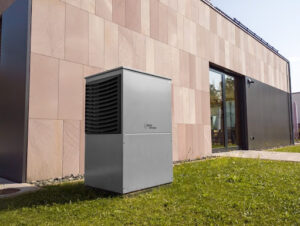 Key considerations include:
- Unit age: The typical lifespan of a heat pump is around 10-15 years. If your heat pump is approaching or has exceeded this age, a major repair might not be the most cost-effective solution in the long run. An older unit is more likely to experience subsequent failures.
- The “5000 rule”: A common guideline suggests that if the cost of a repair is more than 50% of the cost of a new system, or if the system is older than 5 years and the repair cost exceeds $1,000 (adjusting for inflation and current market rates, this general rule still applies conceptually), replacement might be the wiser choice. While we avoid specific dollar amounts, consider if the repair cost is a significant fraction of a new unit’s expense.
- Repair costs: Evaluate the severity and cost of the current repair. Is it a minor component, or is it a major part like the compressor? Frequent, costly repairs can quickly add up, making a new system a more economical choice over time.
- SEER2 ratings: Modern heat pumps boast significantly higher Seasonal Energy Efficiency Ratio 2 (SEER2) ratings, meaning they are much more energy-efficient than older models. A new, high-efficiency system can lead to substantial savings on your monthly utility bills, offsetting the initial investment over time.
- Long-term reliability: A new heat pump comes with a fresh warranty, offering peace of mind and predictable performance for years to come. Older units, even after a repair, may continue to be unreliable and a source of ongoing frustration and expense.
The decision balances immediate financial outlay with long-term savings, comfort, and reliability. A professional HVAC technician can provide an objective assessment of your system’s condition and offer recommendations tailored to your specific situation and budget.
Frequently Asked Questions About Emergency Cooling Services
Understanding the nuances of emergency heat pump repair in Phoenix can help homeowners make informed decisions. Here are answers to some commonly asked questions.
What qualifies as an air conditioning emergency?
An AC or heat pump emergency is typically defined by situations that pose a risk to health, safety, or significant property damage, especially given Phoenix’s extreme climate. Key indicators include:
- Triple-digit weather: During peak summer, a complete cooling loss in extreme temperatures can be a health hazard, particularly for vulnerable populations.
- Vulnerable occupants: Homes with infants, the elderly, or individuals with medical conditions that make them sensitive to heat require immediate attention for cooling system failures.
- Burning smells: Any smell of burning plastic or electrical components indicates a serious electrical issue that could lead to a fire.
- Electrical hazards: Sparking, smoke, or frequently tripped breakers are signs of dangerous electrical problems.
- Complete cooling loss: If your heat pump completely stops cooling and troubleshooting steps don’t resolve it, it’s an emergency, especially when indoor temperatures quickly become unbearable.
These situations warrant immediate professional attention to restore safety and comfort.
How much does emergency AC repair typically cost?
The cost of emergency heat pump repair in Phoenix can vary widely, influenced by several factors. While we don’t provide specific figures, here’s what generally impacts the expense:
- Diagnostic fees: Most reputable companies charge a diagnostic fee to accurately identify the problem. This fee is often waived if you proceed with the repair.
- Overtime rates: Emergency services, especially after-hours or on weekends/holidays, typically incur higher labor costs due to overtime rates.
- Replacement components: The type and cost of the part needing replacement are major factors. Minor electrical components might be moderately priced, whereas major components like a compressor or evaporator coil can lead to substantial expenses.
- Refrigerant recharge: If a leak is found and repaired, the system will need to be recharged with refrigerant, adding to the cost.
- Labor pricing: The complexity of the repair and the time it takes will influence labor costs.
It’s always advisable to get a clear, upfront estimate after the diagnosis before authorizing any work.
How can routine maintenance prevent emergency cooling failures?
Regular heat pump maintenance is one of the most effective ways to prevent unexpected breakdowns and extend the life of your system. Proactive care can save you from the stress and expense of emergency repairs.
- Seasonal tune-ups: Annual or bi-annual tune-ups ensure your heat pump is operating at peak efficiency. Technicians clean coils, check refrigerant levels, and inspect all components.
- Electrical checks: During maintenance, technicians inspect all electrical connections, tightening loose wires and identifying potential hazards before they cause a breakdown.
- Coil cleaning: Clean coils improve heat transfer, preventing your system from overworking and reducing the risk of freezing or compressor strain.
- Preventative care: Technicians can spot worn-out parts or minor issues during maintenance, allowing for proactive repairs before they escalate into major emergencies.
- Component testing: Regular testing of capacitors, contactors, and motors helps identify components nearing the end of their life, allowing for replacement on your schedule rather than during an emergency.
Investing in routine maintenance is a smart strategy for long-term savings, improved reliability, and consistent indoor comfort, helping you avoid the need for emergency heat pump repair in Phoenix, AZ.
Conclusion
Navigating an emergency heat pump breakdown in the intense Phoenix heat can be daunting, but with the right knowledge and resources, you can address the situation effectively. From recognizing critical signs like burning odors or complete cooling loss to taking immediate protective steps, your actions can significantly impact the outcome. Prioritizing rapid response and ensuring safety priorities are met are paramount.
While some issues can be resolved with basic troubleshooting, many require the expertise of a professional. Investing in preventative maintenance is your best defense against unexpected failures, ensuring your heat pump runs efficiently and reliably year-round. When an emergency strikes, seeking professional diagnostics and repair from a trusted HVAC contractor is crucial for restoring your indoor comfort swiftly and safely. A well-maintained heat pump is key to enduring Phoenix summers with peace of mind.